01 / BASELINE
Document extra work
Count staff hours spent specifically on chair-related scuffs or corrective touch-ups over a representative period. Separate this from normal cleaning that still needs to happen.

Protecting school floors is about more than looks. Frequent chair movement can add scuffs and scratches that require attention. Here's how facilities teams can evaluate whether chair glides support a smarter floor-care program.
Schools clean floors to maintain hygiene and meet normal care requirements regardless of which chair protector they use. DuraGlides do not replace routine cleaning, required disinfection or manufacturer-recommended flooring maintenance.
But when chair feet leave marks or scratches, staff may need to spend extra time removing scuffs, touching up damaged finishes or arranging additional floor-care work. A properly fitted chair protector may help reduce one source of that wear.
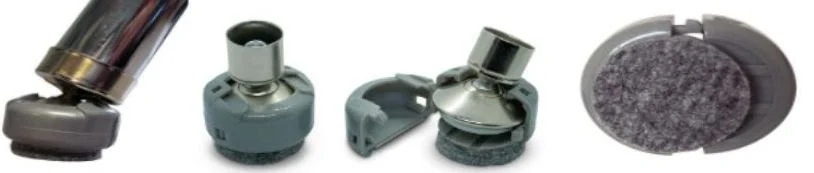
DuraGlides combine a snap-on gray nylon housing with molded-in industrial-strength felt for compatible chair bases, giving the chair foot a felt contact surface rather than a hard or exposed edge.
Floor Protector Buying Guide ↗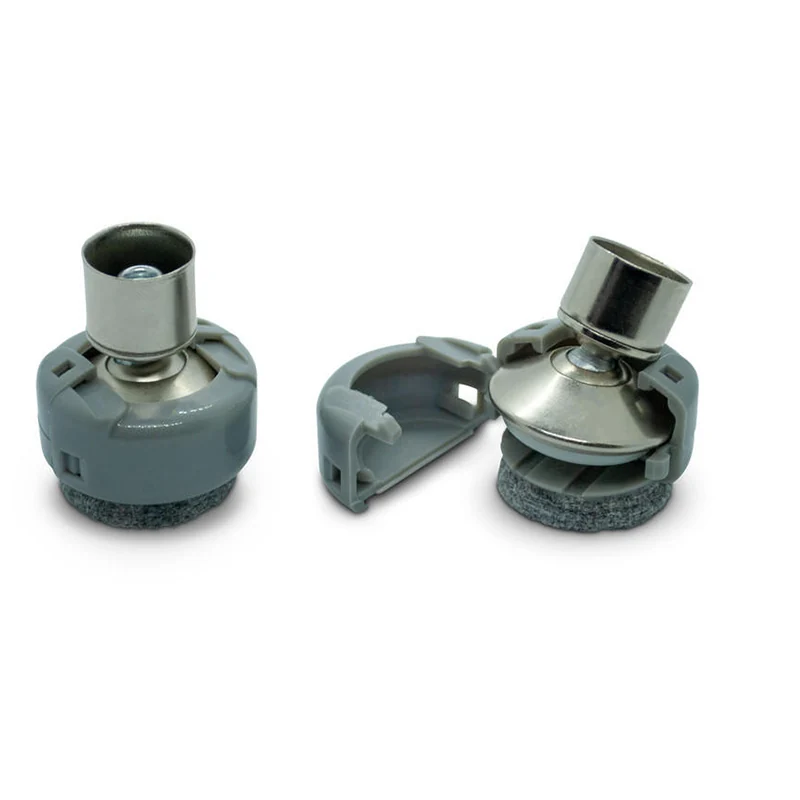
For one school or a few classrooms, record the baseline before installing new chair glides. Keep the comparison focused on similar chairs, floor types and usage.
| What to track | Before installation | After a trial period |
|---|---|---|
| Extra scuff-removal labor | Minutes or hours per week | Same measure over a comparable week |
| Chair-foot replacements | Lost or worn pads per month | Replacement frequency during trial |
| Corrective floor treatments | Documented touch-ups beyond the routine schedule | Change in needed extra work |
| Visible chair-related marks | Photos of representative floor zones | Photos taken from similar locations |
| Teacher or staff observations | Reported scraping and floor issues | Reported changes and remaining problems |
Keep routine waxing, scheduled refinishing and sanitation tasks in place unless your floor-care professional or flooring manufacturer recommends a change. These products cannot justify skipping required maintenance.
Use real local labor rates, product costs and documented maintenance time—not a generic industry percentage.
Count staff hours spent specifically on chair-related scuffs or corrective touch-ups over a representative period. Separate this from normal cleaning that still needs to happen.
Run a small pilot on compatible chairs with comparable room use. Track the same tasks, and inspect the glides for fit and accumulated grit.
Subtract the trial-period corrective-work cost from the baseline, then compare any reduction with glide purchase, installation and replacement costs.
Potential avoided corrective labor = (baseline extra work hours − trial-period extra work hours) × fully loaded hourly labor rate. Compare periods of similar length and usage. Add any demonstrably avoided supplies or contractor costs, then subtract the cost of the glides and installation. This is a planning method—not a promised financial result.
The purchasing case is not just about visible floor marks. Less chair scraping may also make classrooms feel calmer, while a low-profile glide maintains a professional appearance. These are qualitative benefits that your own pilot can evaluate.
Also read how to reduce classroom chair noise and school and district ordering information.
Ask about DuraGlides for your chair models, purchase orders and bulk quantities.