1. Check each chair foot
Look for missing caps, uneven chair legs, exposed metal, hard plastic edges and trapped grit. Replace damaged furniture components as needed; felt glides are not a substitute for repairing unstable chairs.

The sound of chairs scraping across hard floors can interrupt conversation, reading and instruction. Here is a practical approach to finding the cause and making classroom movement quieter.
When a hard or worn chair foot is dragged over a hard flooring surface, it can create a sharp scrape. The sound may be worse when an old foot cap is missing, a chair leg tilts under load or debris is caught beneath the foot.
Chair-leg felt can soften the contact between furniture and floor. DuraGlides use industrial-strength felt molded into a snap-on chair glide for compatible bases, so there's no separate felt sticker to glue underneath the leg.
The goal is to reduce scraping noise—not to promise a soundproof classroom or a specific decibel reduction.
See How DuraGlides Work ↗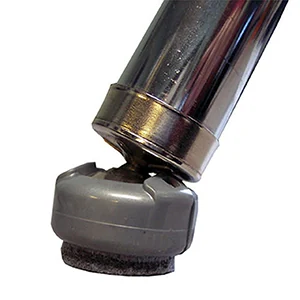
Before making a large purchase, use a single classroom to identify the loudest chair movements and test the improvement.
Look for missing caps, uneven chair legs, exposed metal, hard plastic edges and trapped grit. Replace damaged furniture components as needed; felt glides are not a substitute for repairing unstable chairs.
Clean up grit and debris and follow the floor manufacturer's maintenance instructions. Even felt-based protectors should be kept free of abrasive material.
Measure the actual chair base. DuraGlides fit compatible bases in the 7/8″ to 1¼″ range and snap on without adhesives or special tools. Confirm that each glide is secure.
Ask staff to move comparable chairs across the same floor, before and after fitting, using ordinary push-back and pull-in motions. Record whether the sound is noticeably softer and whether the glide stays seated.
| What you hear | Possible cause | First thing to check |
|---|---|---|
| Harsh scraping as chairs slide | Hard foot contacting floor | Chair-base condition, floor cleanliness and a compatible felt glide |
| Rattle or squeak when someone sits | Loose furniture connections or worn joints | Chair frame and manufacturer-approved repair |
| Intermittent scratching | Grit caught under a glide or exposed metal | Clean the floor and inspect underside of the chair foot |
| Thumps when chairs are lifted and dropped | Impact rather than scraping | Chair handling and classroom movement habits |
A felt chair glide helps address floor contact. It cannot fix structural rattles, improve poor chair handling or eliminate every sound in a classroom.
Schools often compare tennis-ball solutions, adhesive felt pads and molded-in felt glides. DuraGlides offer a low-profile option for buyers who prefer a discreet appearance and a snap-on installation.
Because the felt is part of the DuraGlides housing, it doesn't rely on a separate layer of adhesive attaching a pad to the chair foot. This design distinction can be especially useful in rooms where chairs are moved frequently.
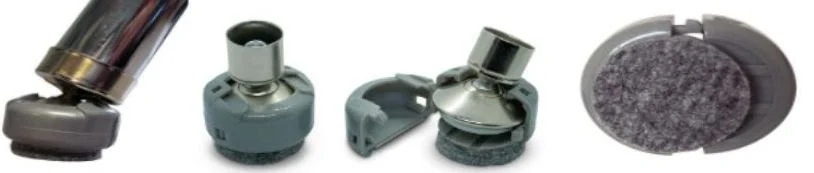
When conducting a classroom pilot, don't judge solely by sound. Ask teachers about distraction, check glides after normal use and look for visible floor scuffing. If the room contains different chair models, make sure every model fits before scaling the order.
For additional planning, read our school chair floor-protector buying guide and our floor-maintenance cost checklist. Results depend on chair condition, flooring, installation and room use.
Choose a DuraGlides pack or ask about purchase orders for school-wide installations.